Antra

Architect: Souls & Spaces Design Studio
Project Type: Luxury Villa Estate
Client: Private Client
Terms: 36 months from concept to completion
Strategy: Classical modern synthesis
Date: 05/04/2025
Timeless Elegance Estate

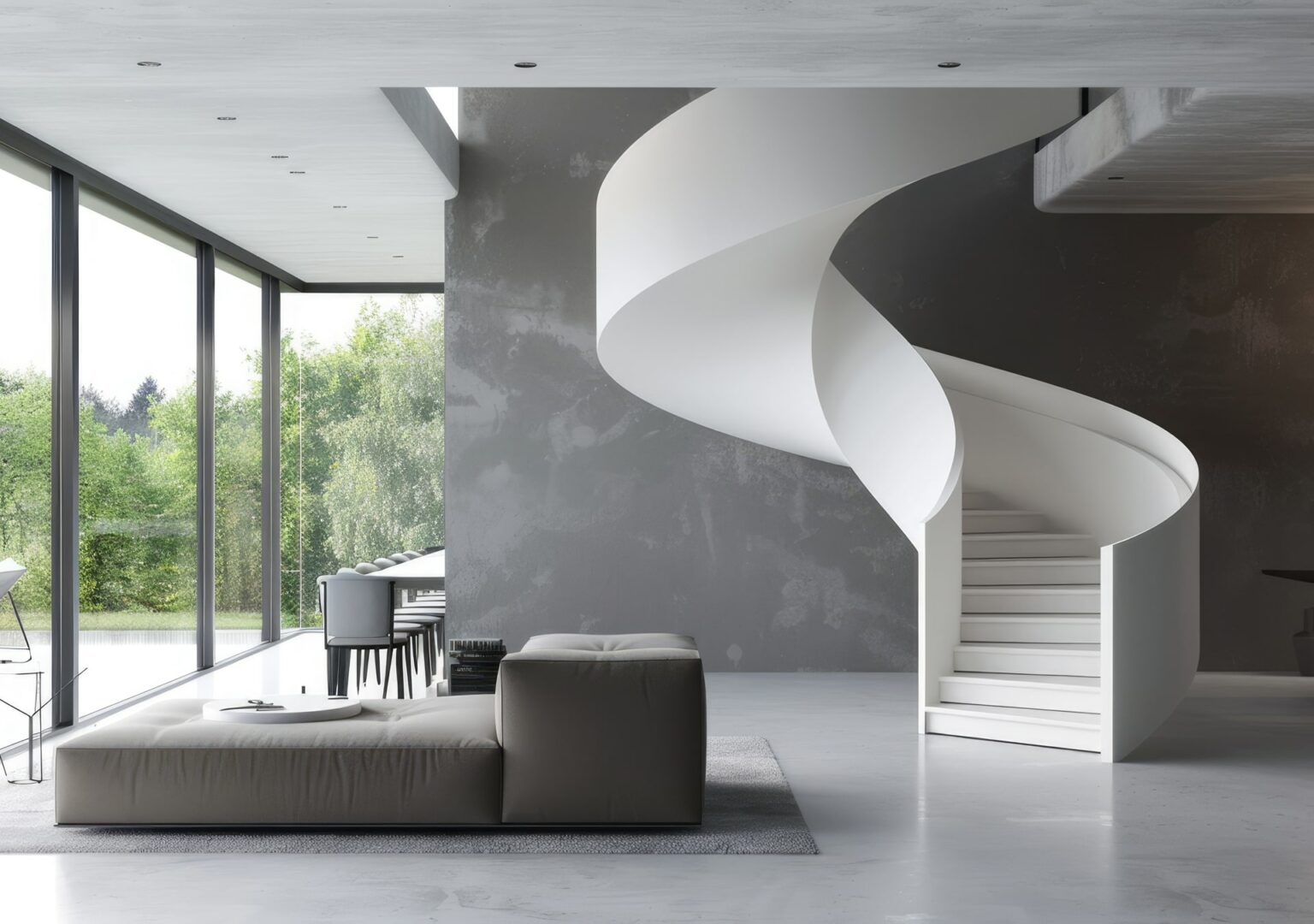
Timeless Elegance Estate represents the pinnacle of luxury residential design in Dubai Hills, combining classical architectural principles with contemporary comfort and technology. This sprawling villa draws inspiration from Mediterranean and neoclassical traditions, reinterpreted for modern living with impeccable attention to proportion, detail, and craft. The result is a home that feels established and enduring, as if it has always been part of the landscape, yet incorporates every contemporary amenity and convenience.

  • 18,000 sq ft built area
  • 6 bedrooms with en-suite bathrooms
  • Formal living and dining rooms
  • Family room and chef's kitchen
  • Home theater and wine cellar
  • Private gym and spa
  • Library with custom millwork
  • Classical swimming pool and pool house
  • Formal gardens and terraces
  • 8-car garage
  • Staff quarters and service areas
  • Smart home technology throughout

Classical Architecture for Contemporary Living

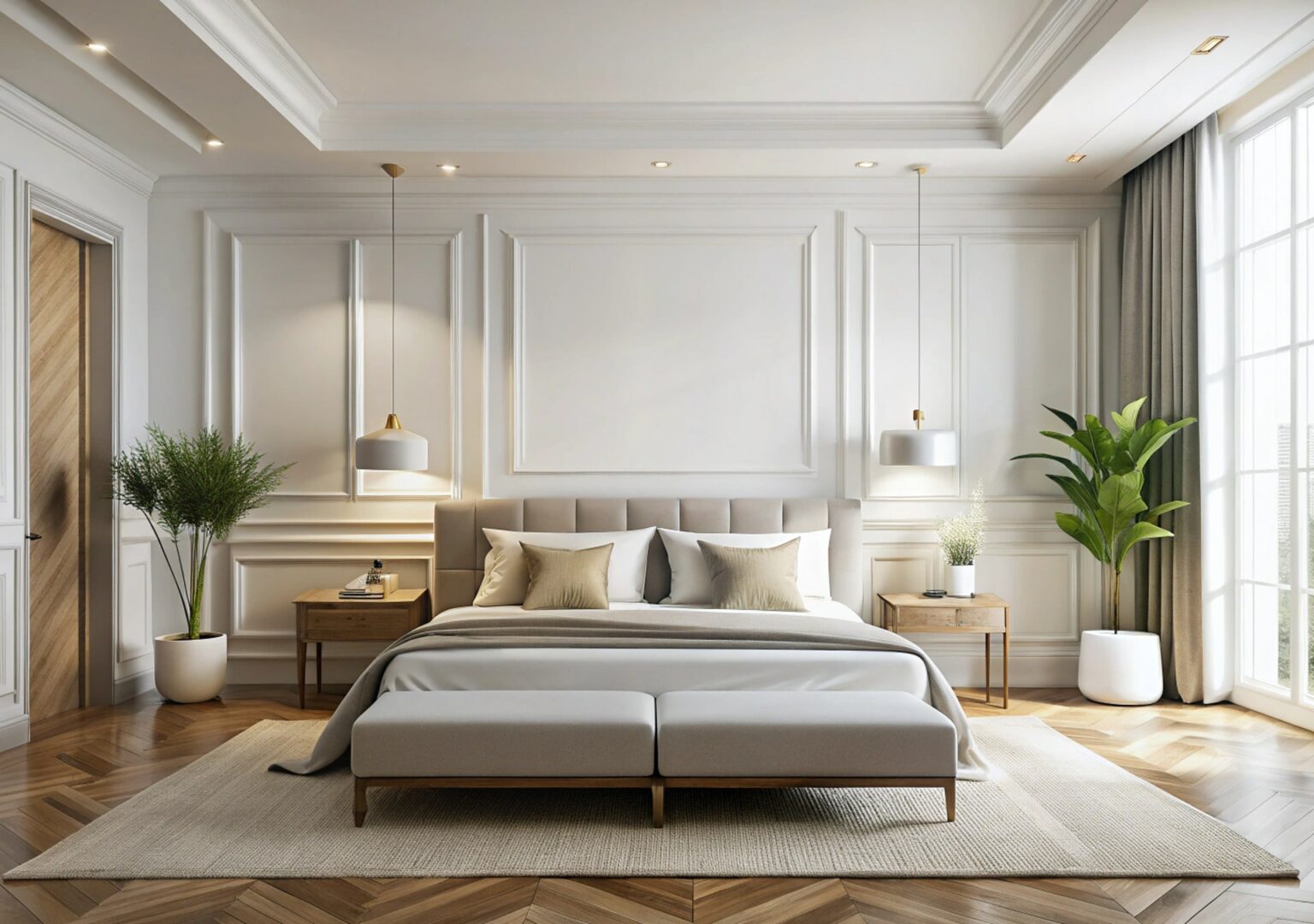
Timeless Elegance Estate demonstrates that classical architecture remains relevant and beautiful when executed with understanding and skill. The villa's design draws from Mediterranean and neoclassical traditions—styles that have proven their enduring appeal over centuries. The exterior presents a formal, symmetrical facade to the street: a central entrance bay flanked by balanced wings, with classical columns supporting a deep portico that provides shaded entry. The facade composition employs traditional hierarchy: a rusticated stone base that grounds the building, smooth rendered walls on the main level, and decorative cornices and moldings that create shadow lines and visual interest. Windows are proportioned using classical ratios, with larger openings on main living levels and smaller windows on upper floors. These aren't arbitrary aesthetic choices but proven strategies that create buildings that feel balanced and correct intuitively. But while the exterior vocabulary is classical, the interior planning is thoroughly contemporary. The formal entry leads not to a series of closed rooms but to an open living space that flows seamlessly between living, dining, and family areas. The kitchen, while beautifully detailed to match the home's elegant aesthetic, incorporates professional-grade appliances and modern conveniences. Family bedrooms include en-suite bathrooms and walk-in closets—amenities unknown in classical villas but essential for contemporary life. We also incorporated extensive service areas—laundry, storage, staff quarters—that support comfortable modern living while remaining completely invisible to guests. The villa includes contemporary luxuries like a home theater, wine cellar, gym, and spa, all detailed to feel like original parts of the house rather than afterthought additions. Throughout, we balanced formal spaces for entertaining with casual family areas, recognizing that contemporary life requires both. The result is a villa that looks and feels like a classical estate but functions perfectly for how families actually live today.

Craftsmanship and Detail: The Mark of Quality

Creating a convincing classical design requires exceptional craftsmanship—details that are poorly executed or simplified destroy the illusion of quality and permanence. For Timeless Elegance Estate, we insisted on traditional construction methods and artisanal craft throughout. Exterior walls are actual limestone, not lightweight panels or rendered block—the real material specified in traditional construction, cut and installed using centuries-old techniques. Interior woodwork is solid timber with proper joinery, not veneered particleboard. Plaster moldings are run in place by skilled plasterers, not pre-made foam elements glued up. This commitment to authentic materials and methods extended to every detail: custom doors were built by master carpenters using traditional mortise-and-tenon joinery; ironwork railings and gates were forged by blacksmiths who understood classical proportions and details; stone was cut and laid by masons who learned their trade through apprenticeship; and decorative painting techniques—faux finishes, gilding, mural work—were executed by specialized artisans. We sourced materials from around the world: marble from Italian quarries, wood from sustainable forests, stone from historic sources, fixtures from European manufacturers with centuries of heritage. Interior finishes include Venetian plaster walls, coffered ceilings with hand-carved details, inlaid wood floors in classical patterns, and custom millwork including a library with floor-to-ceiling built-in bookcases. The kitchen, while contemporary in function, features furniture-quality cabinetry that looks like it belongs in the home, with carved corbels, traditional hardware, and stone countertops. Bathrooms combine classical detailing—marble floors and walls, traditional fixtures, decorative mirrors—with modern comfort including heated floors, spa showers, and excellent lighting. This obsessive attention to authentic materials and traditional craft creates an interior that rewards close inspection, where every detail reveals quality and care, and where the overall effect is one of established permanence rather than recent construction.

Landscape as Garden Estate

The landscape for Timeless Elegance Estate was conceived as a classical garden estate, with formal areas near the house giving way to naturalistic landscape beyond. The approach emphasizes symmetry and axial planning: a central path leads from the entry gate to the front door, flanked by manicured hedges and specimen trees. The rear garden is organized around a central axis extending from the main living spaces, with a formal lawn panel terminated by a classical pavilion that houses an outdoor living area. This strong central axis is balanced by perpendicular cross-axes creating garden rooms—each with distinct character but unified by consistent vocabulary of materials and planting. Near the house, terraces are paved in limestone matching building, creating seamless transition from interior to exterior. Furniture here is elegant and comfortable, allowing outdoor dining and lounging in setting that feels like an extension of interior rooms. Beyond terraces, a formal parterre garden uses low boxwood hedges to create geometric patterns filled with seasonal color. This area is designed to be viewed from above—from house windows and upper balconies—where patterns are most apparent. The swimming pool is treated as reflecting pool in classical tradition: a simple rectangular basin that mirrors sky and surrounding architecture, rather than a freeform recreational element. Pool area includes cabana with changing rooms and outdoor shower, detailed to match house architecture. Beyond formal areas near house, landscape becomes more naturalistic: lawns sweep under mature trees, paths meander through planted areas, and views extend to property boundaries. But even here, strong organizing principles remain: trees are arranged in groves creating defined spaces, paths lead to focal points including sculpture and specimen plantings, and sitting areas are positioned for optimal views and comfort. Throughout landscape, we specified timeless plant palette: olive and citrus trees, Italian cypress for vertical accent, lavender and rosemary for scent, flowering perennials for seasonal color. Irrigation system ensures healthy plants while conserving water, and lighting creates dramatic nighttime landscapes. The result is a garden estate that feels mature and established, providing multiple outdoor rooms for different activities while creating beautiful setting that enhances architecture.

Select the fields to be shown. Others will be hidden. Drag and drop to rearrange the order.
  • Image
  • SKU
  • Rating
  • Price
  • Stock
  • Availability
  • Add to cart
  • Description
  • Content
  • Weight
  • Dimensions
  • Additional information
Click outside to hide the comparison bar
Compare